The Rich World of Card Games
Card games have long been a staple of social gatherings and leisurely pursuits. Rooted deep in history, they have evolved alongside humanity, reflecting diverse cultures and societal transformations. From ancient origins to the modern digital age, the versatility and adaptability of card games have ensured their enduring popularity.
The Origins of Card Games
The birth of card games is a subject of academic debate, but most historians agree that their origins trace back to ancient China around the 9th century AD. It is believed that the gaming elements occasionally featured cardboard or paper, an innovative use during an era dominated by traditional Chinese scrolls and artworks.
As trade routes expanded, so did the knowledge and materials for card-making. By the 14th century, card games had made their way to Europe, introduced largely through contact with the Mamluks of Egypt. These early card decks were often hand-painted, making them luxury items reserved for the affluent.
Evolution Across Cultures
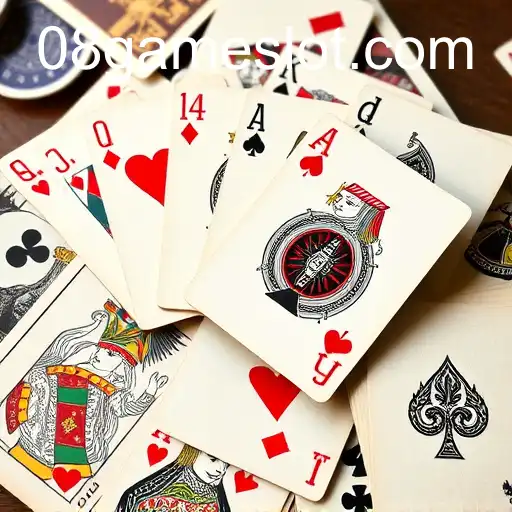
When card games arrived in Europe, they experienced several iterations, adapting to local customs and preferences. The four suits we recognize today in the standard deck—hearts, diamonds, clubs, and spades—originated in France during the late 15th century. Each suit represented different societal aspects: hearts symbolizing the clergy, spades the nobility, clubs the peasantry, and diamonds the merchant class.
The spread of card games mirrored colonial expansion, reaching the Americas and other parts of the world. Each region put its unique stamp on gameplay, rules, and card design. This globalization of card games contributed to a myriad of variations enjoyed today, reflecting the distinct characteristics and histories of different areas.
Diverse Genres of Card Games
Card games encompass a broad spectrum of genres, catering to a vast array of interests and skill levels. These can be broadly categorized into trick-taking games, matching games, shedding games, and many others.
Trick-Taking Games
This genre includes timeless classics like Bridge, Spades, and Euchre. The objective in trick-taking games typically involves winning rounds by playing the highest-ranked card in the suit led, or by utilizing appropriately designated trump cards. These games often require strategic thinking and the ability to predict opponents' plays.
Matching Games
Matching games, such as Rummy and Go Fish, focus on collecting sets of cards based on rank, suit, or color. Frequently included are rules that allow players to lay down sets when a requisite number of cards is achieved, thus emphasizing memory and strategic planning.
Shedding Games
Uno and Crazy Eights are popular examples of shedding games, where the main objective is to rid oneself of all cards. This genre combines luck with strategy, where players alter the pace of the game by dictating which cards are played in certain sequences.
Solitaire and Patience Games
Solitaire and other patience games provide single-player card gaming experiences. These games focus on arranging cards in specific patterns or sequences, offering a solitary challenge that combines skill with luck. The digital adaptation of Solitaire, particularly with the advent of personal computers, significantly boosted its popularity.
The Role of Card Games in Modern Society
In the contemporary world, card games continue to serve as a valuable medium for social interaction, education, and entertainment. They appear at gatherings, serving as icebreakers or as intimate contests among friends and family.
Moreover, card games have transcended their traditional formats, shifting into digital realms. Many classic card games have digital versions, available on various platforms that enable players globally to connect and compete. This digital transformation has also led to further innovation, encouraging the development of new mechanics and concepts.
Competitive Card Gaming and eSports
With the rise of eSports, competitive card games have gained significant attention. Titles such as Magic: The Gathering, Hearthstone, and the digital card game 08.Game have cultivated worldwide followings. These games blend classical card mechanics with interactive elements unique to their digital nature, offering strategic depth and competitive ranking systems.
Tournaments and championships for these games are held regularly, with professional players and teams competing for substantial prizes. This competitive scene not only heightens interest but also promotes the evolution and continuing relevance of card games.
The Cultural Impact of Card Games
Beyond mere entertainment, card games reflect cultural trends and often address social issues. The artwork, themes, and narratives found in many modern card games can offer commentary on contemporary life or immerse players in richly woven fantasy worlds.
Furthermore, the critical thinking and analytical skills honed during gameplay can transcend into other areas of life. From family-friendly games to complex strategic battles, card games cater to all demographics, offering shared experiences that bridge generations.
Conclusion
The realm of card games is vast and ever-changing, steeped in history yet adapting continuously to modern demands. Whether played on a physical tabletop or a digital screen, the allure of card gaming endures, promising endless hours of fun, competition, and connection.